Beyond the Numbers: J&T Express''s Q1 2026 Parcel Surge and Southeast Asia''s
J&T Express's reported Q1 2026 parcel volume of 8.33 billion is more than

Beyond the Numbers: J&T Express's Q1 2026 Parcel Surge and Southeast Asia's E-commerce Supply Chain Revolution
Summary: J&T Express's reported Q1 2026 parcel volume of 8.33 billion is more than a corporate milestone; it is a key indicator of Southeast Asia's accelerating digital economy. This analysis moves beyond the headline figure to explore the underlying supply chain and logistics infrastructure straining to support this growth. It examines how J&T's performance reflects broader regional trends in e-commerce penetration, the strategic importance of its Southeast Asia focus, and the long-term implications for competition, infrastructure investment, and consumer behavior.
---
Decoding 8.33 Billion: A Symptom of Southeast Asia's Digital Tipping Point
The reported parcel volume of 8.33 billion for Q1 2026 (Source 1: [Primary Data]) represents a quantitative anchor for assessing Southeast Asia's economic trajectory. When contextualized against J&T Express's historical performance—which has shown consistent double-digit growth—the figure suggests an acceleration in market capture. More critically, this volume serves as a high-frequency proxy for regional e-commerce health, offering a more real-time and granular signal than traditional macroeconomic indicators like GDP or broad retail sales, which often lag in capturing digital transaction velocity.
The volume is intrinsically linked to J&T Express's operational strategy. The company's concentrated focus on Southeast Asia, as opposed to a global sprawl, has enabled the development of hyper-optimized regional networks. This focus allows for density-driven efficiencies in line-haul routes and last-mile delivery clusters, which directly lower the unit cost of delivery and fuel volume growth by making e-commerce logistics more accessible and reliable for sellers and consumers across the region.
The Hidden Strain: Infrastructure and the Limits of Hyper-Growth
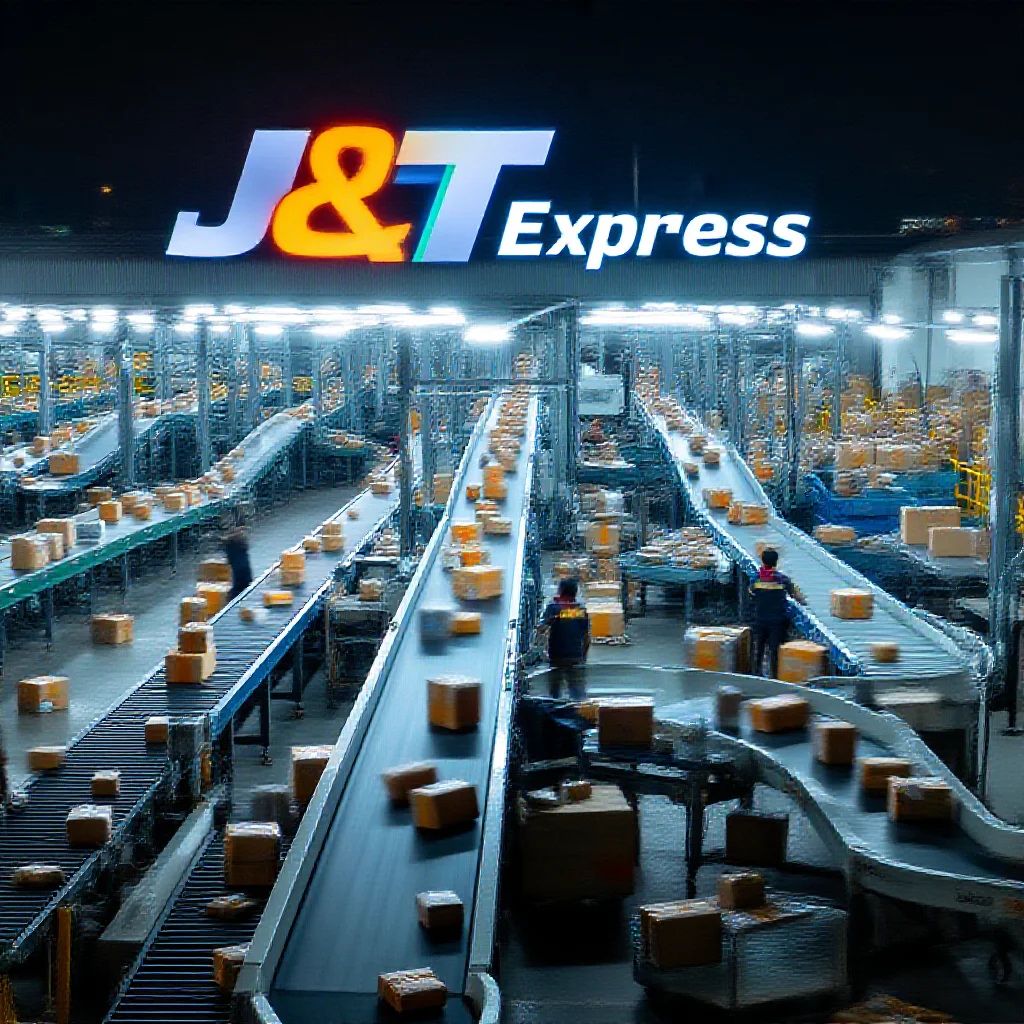
The operational scale implied by handling approximately 8.33 billion parcels in a quarter presents systemic challenges. Scaling warehouse automation, managing a massive fleet expansion, and recruiting/training a sufficient labor force are capital- and execution-intensive endeavors. The infrastructure required to sort, route, and deliver this volume is a critical bottleneck; regional assessments, such as those from the World Bank's Logistics Performance Index, have historically noted gaps in Southeast Asia's transport and warehousing quality that must be bridged to sustain such growth.
Concurrently, the environmental impact of this volume surge necessitates scrutiny. The carbon footprint from a fleet predominantly reliant on internal combustion engines, coupled with packaging waste, poses a significant sustainability question. The operational response—or lack thereof—in terms of adopting electric vehicles, optimizing delivery routes through AI, and implementing circular packaging models will determine the long-term viability of this growth model against increasing regulatory and consumer pressure for green logistics.
The Ripple Effect: Reshaping Regional Commerce and Competition
J&T Express's scale generates powerful secondary effects across the Southeast Asian commercial ecosystem. For small and medium-sized enterprises (SMEs), it empowers access to reliable, nationwide distribution networks, but it also creates pressure as logistics costs become a more significant component of their economics. Consumer expectations are reset, with fast, free, or low-cost delivery becoming a baseline requirement, compelling all market participants to adapt.
This reported volume will trigger strategic recalibrations across the competitive landscape. Rivals such as Ninja Van, Shopee Express, and national postal operators are compelled to respond through price competition, service differentiation, or accelerated technological investment. The scale achieved by J&T may cement its dominance in the pure-play logistics segment, but it also makes the sector a target for integrated competitors, such as super-apps expanding their in-house logistics capabilities or traditional maritime and freight operators seeking last-mile integration.
Q1 2026 as a Foreshadowing: What the Volume Portends
The Q1 2026 data point is a leading indicator of several convergent trends. It foreshadows an intensified phase of infrastructure investment, not only by logistics firms but also by public entities seeking to upgrade ports, roads, and digital connectivity to support the physical internet of goods. It signals a maturation of the regional e-commerce market, moving from a growth-at-all-costs model to one emphasizing efficiency, sustainability, and profitability.
Ultimately, the figure underscores that logistics is the indispensable backbone of Southeast Asia's digital economy. The capacity to move 8.33 billion parcels in a quarter is a testament to operational execution, but the next phase of competition will be defined by the ability to move them smarter, cleaner, and in a manner that strengthens the entire commercial fabric of the region. The performance of J&T Express provides a concrete dataset from which to project the region's logistical demands and strategic challenges for the latter half of the decade.
(All rights reserved by Global Beacon Chronicle. Unauthorized reproduction is prohibited.)
Li Ming / Li Ming
Tech columnist and visiting scholar at MIT.