GSM''s Electric Mobility Platform Launch: A Strategic Move into Southeast
On April 14, 2026, ride-hailing giant GSM launched a dedicated electric

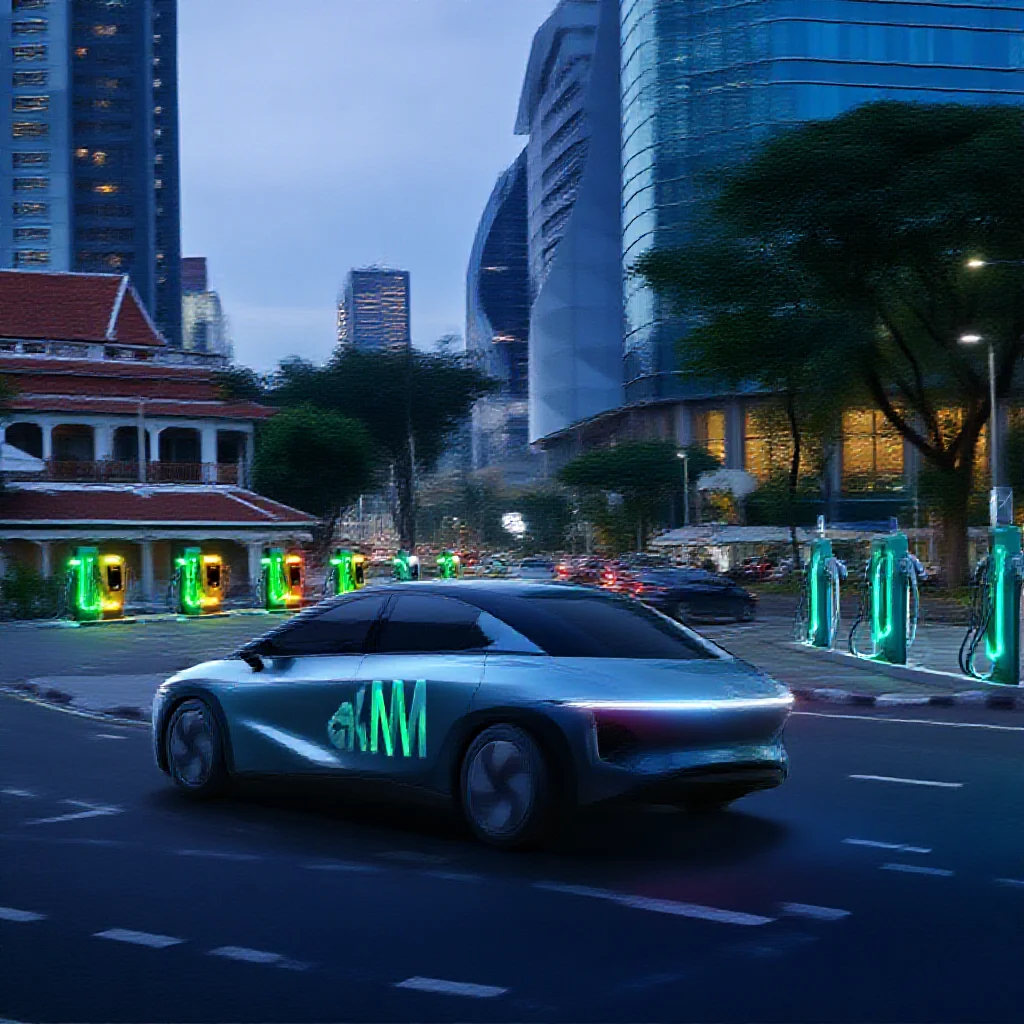
GSM's Electric Mobility Platform Launch: A Strategic Move into Southeast Asia's EV Future
Date: April 15, 2026
Beyond the Headline: Decoding GSM's Two-Country EV Gambit
On April 14, 2026, global ride-hailing operator GSM initiated a dedicated electric mobility platform in Indonesia and the Philippines. (Source 1: [Primary Data]) This simultaneous two-nation launch is not a routine service expansion but a targeted strategic entry into specific high-potential markets.
The selection of Indonesia and the Philippines is data-driven. Indonesia, with over 270 million people, and the Philippines, with approximately 115 million, represent the largest and third-largest populations in ASEAN, respectively. Both nations exhibit rapid urbanization and severe traffic congestion in metropolitan areas like Jakarta and Manila. Crucially, their governments have enacted distinct but active policy frameworks to encourage electric vehicle adoption. Indonesia is leveraging its nickel reserves to promote local battery and EV manufacturing, while the Philippines has implemented tariff reductions on EV imports and is developing its own Comprehensive Roadmap for the Electric Vehicle Industry.
GSM’s launch of a distinct "platform" rather than merely introducing EVs into its existing fleet is a significant distinction. Corporate announcements indicate the initiative is structured to create an integrated ecosystem. This ecosystem is projected to encompass access to electric vehicles, charging solutions, and tailored financing packages for drivers. The move signals a shift from being a service operator to becoming an infrastructure and platform orchestrator within the EV value chain.
The Hidden Economic Logic: Infrastructure as the New Battleground
The core economic challenge in emerging EV markets is the classic infrastructure paradox: consumers hesitate to adopt EVs without a reliable charging network, and investors are reluctant to build charging infrastructure without a critical mass of EVs. GSM’s platform presents a calculated intervention. By deploying a managed fleet of electric vehicles for ride-hailing, the company can create immediate, concentrated demand for charging within urban corridors. This demand can de-risk and incentivize third-party investment in public charging stations, thereby initiating a positive feedback loop for the broader market.
A primary strategic asset generated by this platform will be data. The operational data on vehicle utilization, daily range requirements, battery degradation in tropical climates, and optimal locations for high-throughput charging or battery-swapping stations will be proprietary. This dataset will create a competitive moat, allowing GSM to optimize its network efficiency and potentially offer data-as-a-service to urban planners, utilities, and automakers.
The long-term implication extends to regional supply chains. A successful, large-scale EV ride-hailing operation in Indonesia could accelerate the business case for localized EV assembly or component manufacturing, aligning with the government’s industrial goals. In both countries, the platform may drive innovation in service models, such as partnerships for localized battery-swapping stations, which address range anxiety and reduce vehicle downtime—a critical factor for driver income.
Dual-Track Analysis: A 'Slow Analysis' of Regional Market Transformation
The launch is a catalyst event whose full impact will materialize over a multi-year horizon, affecting sectors beyond transportation. This qualifies it as a subject for "Slow Analysis," where the immediate news serves as an indicator of deeper, longer-term trends in energy policy, urban design, and industrial strategy.
GSM’s integrated platform approach contrasts with competitors who may pursue a gradual integration of EVs into a mixed internal combustion engine (ICE) and EV fleet. The platform model represents a higher initial commitment but positions the company to capture the full value of an EV-native network, including potential future integration with renewable energy microgrids and vehicle-to-grid (V2G) services.
Verification of the strategic context comes from aligning the launch with established regional trends. Reports from the ASEAN Centre for Energy highlight the transport sector as a primary focus for carbon reduction. The Indonesian government has set a target of 13 million electric motorcycles and 2.2 million electric cars by 2030. (Source 2: [Government Policy Document]) Similarly, the Philippines’ Department of Energy has outlined targets for EV deployment across public transport. Analyst commentary from firms like Fitch Solutions consistently identifies Southeast Asia as the next major battleground for electric mobility, driven by economic growth, urban air quality concerns, and energy security agendas.
Neutral Market and Industry Predictions
The launch will intensify competition in the ASEAN ride-hailing sector, compelling rivals to accelerate or redefine their own electrification strategies. Market success for GSM will be contingent on achieving competitive total cost of ownership for drivers compared to ICE vehicles, which hinges on electricity pricing, vehicle procurement cost, and infrastructure reliability.
The development will likely attract increased investment into EV charging infrastructure from both private equity and utility companies in Indonesia and the Philippines. Furthermore, it may influence policy formulation, providing governments with a real-world case study to refine incentives and regulations.
The ultimate industry outcome will be determined by the platform's ability to scale sustainably, its integration with the evolving power grid, and the responsiveness of the broader automotive and energy sectors to the new demand signals it generates. The April 14 launch is, therefore, best understood as the opening move in a complex, long-term reconfiguration of urban mobility in Southeast Asia.
(All rights reserved by Global Beacon Chronicle. Unauthorized reproduction is prohibited.)
Li Ming / Li Ming
Tech columnist and visiting scholar at MIT.