Beyond the Deadline: How Nigeria''s E-Invoicing Mandate Reshapes Corporate
Nigeria's June deadline for large firms to adopt e-invoicing, enforced by

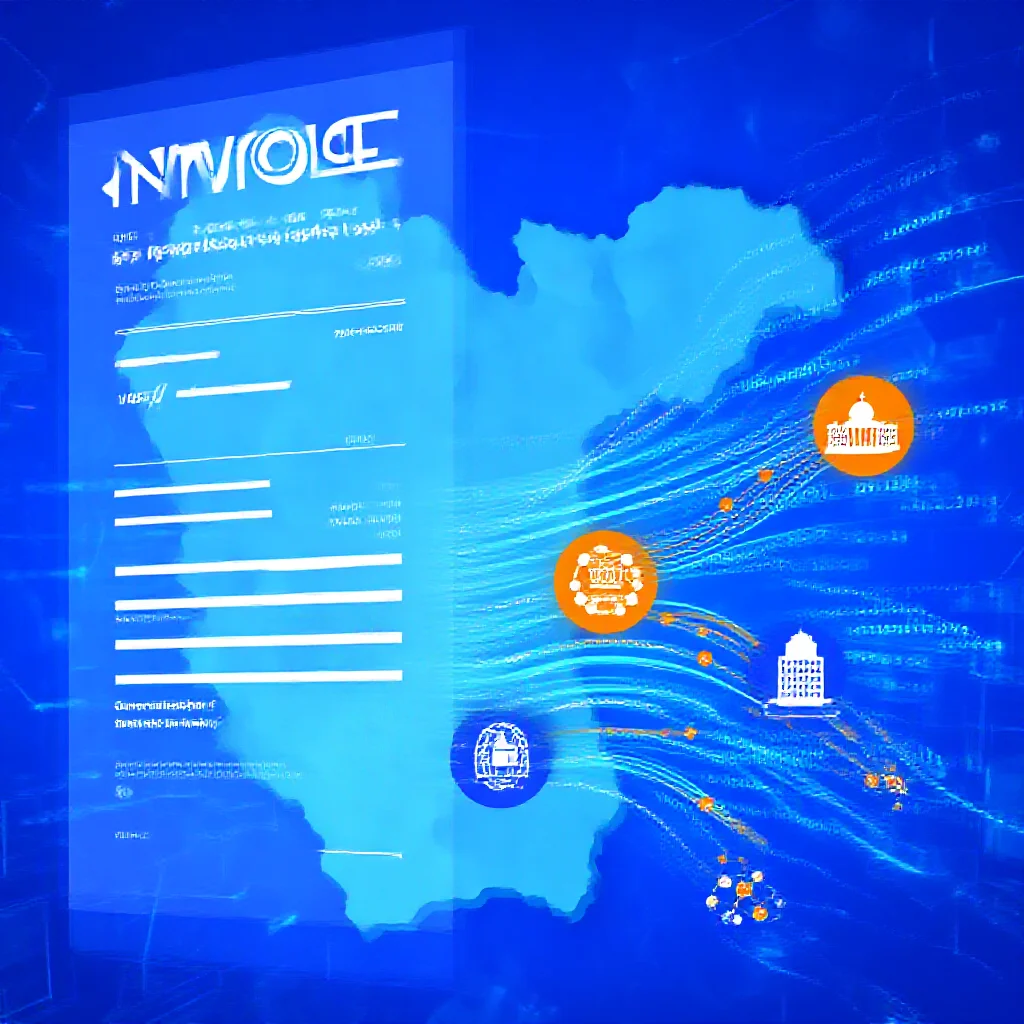
Beyond the Deadline: How Nigeria's E-Invoicing Mandate Reshapes Corporate Governance and Tax Strategy
The Ticking Clock: Decoding the FIRS Mandate and Its Immediate Stakes
A procedural deadline is approaching, but its implications are systemic. The Federal Inland Revenue Service (FIRS) has mandated that large firms in Nigeria achieve compliance with its electronic invoicing (e-invoicing) framework by June. (Source 1: [FIRS Public Notice]). This directive is not an isolated technical update but a core component of a strategic shift toward real-time transaction tracking and fiscal data centralization.
The mandate specifically targets "large firms," a classification typically defined by annual turnover thresholds as previously established in tax regulations, compelling them to generate, transmit, and report invoices through FIRS-approved systems. The immediate stakes of non-compliance extend beyond financial penalties. Sanctions include the disallowance of non-compliant invoices for tax purposes, effectively increasing a firm's tax liability, and potential operational disruptions in dealings with other compliant entities. Reputational risk with financial institutions and government agencies constitutes a significant, though less quantifiable, consequence.
The Hidden Architecture: E-Invoicing as a Tool for Economic Formalization
The primary objective of this mandate is the formalization of economic activity through digitized audit trails. Each electronic invoice creates a verifiable, time-stamped record of a transaction, significantly reducing the scope for manual manipulation and omission. This moves the tax administration model from periodic, sample-based audits to a system of continuous transaction monitoring.
This initiative is architecturally linked to broader digitalization projects, most notably the TaxPro-Max platform. E-invoicing serves as a critical data feed into this centralized system, enabling the FIRS to perform advanced analytics on economic patterns, identify discrepancies in near-real-time, and optimize revenue collection efficiency. The long-term strategy is to shrink the informal economy by making the digital trail a prerequisite for legitimate business-to-business and business-to-government commerce.
The Ripple Effect: Supply Chain, Compliance Costs, and Competitive Advantage
The compliance requirement creates a cascading pressure throughout corporate supply chains. A large compliant firm must receive compliant invoices from its suppliers to claim input tax credits and validate costs. This forces digitization onto smaller vendors, acting as an accelerator for broader economic digital transformation.
The financial impact is dual-edged. Initial costs are incurred for system integration, software acquisition, and process re-engineering. However, the long-term effect points toward operational efficiency gains through automated reconciliation, reduced manual errors, and faster payment cycles. Furthermore, compliant firms secure a strategic advantage. A demonstrable history of transparent, digitized transactions enhances credibility, potentially easing access to credit and qualifying firms for government contracts that will increasingly mandate such digital compliance.
Evidence and Verification: Navigating the Implementation Landscape
The deadline and sanction framework are anchored in official FIRS circulars and public communications. (Source 1: [FIRS Public Notice]). This places the onus of verification and implementation squarely on the affected corporations.
A comparative analysis with other jurisdictions reveals a global trend. Kenya's Tax Invoice Management System (TIMS) and Ghana's ongoing digitalization efforts provide relevant regional parallels, while European models like Italy's Sistema di Interscambio (SdI) offer longer-term case studies on systemic impact. Early adopter experiences within Nigeria indicate that the primary challenges are less about the technology itself and more about change management, data migration integrity, and ensuring interoperability between corporate ERPs and the FIRS-specified systems.
Strategic Preparedness: A Roadmap for Firms Beyond Mere Compliance
The minimum requirement is meeting the June deadline. The strategic response involves treating the mandate as a catalyst for broader digital finance transformation. A preparedness roadmap begins with a technical audit of existing Enterprise Resource Planning (ERP) and accounting systems to identify integration gaps.
Subsequent steps involve training finance and accounting teams on new workflows and initiating change management communications with vendors and partners to ensure supply chain continuity. The most significant strategic shift, however, is conceptual: moving from viewing e-invoicing as a compliance burden to leveraging it as a foundation for enhanced data analytics capabilities. The data generated offers unprecedented visibility into spending patterns, supplier performance, and cash flow dynamics.
Neutral Market and Industry Predictions
The enforcement of the e-invoicing mandate will likely create a stratified market in the short term. Technology service providers specializing in compliance software and integration services will experience increased demand. A consolidation trend among vendors offering FIRS-compliant solutions is probable.
In the medium term, the policy will institutionalize a new standard for corporate financial transparency. Firms that rapidly adapt and integrate this data into their strategic planning will gain a measurable efficiency advantage. The mandate is predicted to serve as the foundational layer for future fiscal automation in Nigeria, including the potential for real-time VAT settlement and advanced predictive analytics for both tax authorities and corporate financial officers. The June deadline is not an endpoint but an inflection point toward a data-driven fiscal ecosystem.
(All rights reserved by Global Beacon Chronicle. Unauthorized reproduction is prohibited.)
Zhang Wei / Zhang Wei
Global business observer focusing on multinational enterprise strategy.