Beyond Note-Taking: How Google''s Gemini in NotebookLM Signals a Shift in
Google's integration of Gemini 1.5 Pro into NotebookLM is more than a simple

Beyond Note-Taking: How Google's Gemini in NotebookLM Signals a Shift in AI-Powered Knowledge Work
Introduction: The Quiet Evolution of NotebookLM
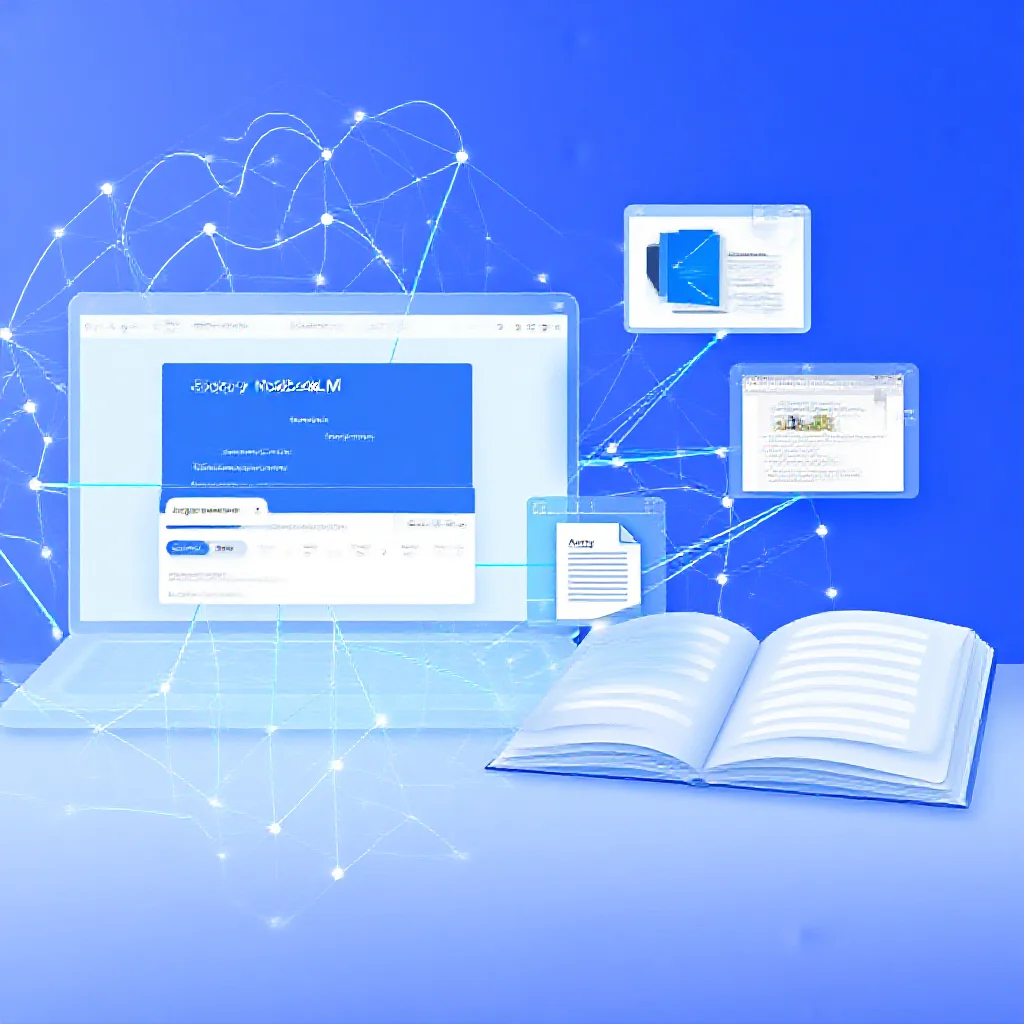
Google has integrated its advanced Gemini 1.5 Pro AI model into its NotebookLM application, an update that extends the tool's capability to process information from Google Slides and web URLs and generate structured outputs like study guides and FAQs (Source 1: [Primary Data]). This move transitions NotebookLM from an experimental Labs product into a more robust, Gemini-powered platform. The strategic thesis is that this integration represents a targeted play for the 'synthesis' layer of knowledge work, positioning the tool not as a simple note-taking aid but as a central engine for research consolidation and derivative document creation.
Deconstructing the Update: From Multi-Format Input to Structured Output
The technical update is defined by two core enhancements: multi-format ingestion and structured output generation. The ability to process Google Slides and live web URLs signifies a move to capture the full context of modern digital work, which occurs across presentations, documents, and online resources, not solely within text files. This expansion of source material is a foundational step for comprehensive analysis.
The new output types—study guides, FAQs, and briefing documents—are analytically significant. These are not open-ended creative drafts but structured knowledge derivatives. Each output format targets a specific, high-value task in research, education, and professional analysis, indicating a design philosophy focused on utility and task completion rather than general conversation. The service is currently offered for free to users in the United States aged 18 and above (Source 1: [Primary Data]).
The Core Axis: Google's Play for the AI-Native Workflow Ecosystem
The underlying logic of this integration is a 'land and expand' strategy within the productivity software market. NotebookLM is being positioned as the AI-powered synthesis layer that can serve as connective tissue for Google's own suite, including Docs and Slides, while also incorporating external web data. This creates a sticky, integrated ecosystem that leverages existing Google Workspace user bases and data.
This strategic axis differentiates NotebookLM from competitors. Unlike the generality of ChatGPT or the search-centric model of Perplexity, NotebookLM's core function is source-grounded synthesis. By anchoring its operations to user-provided source material, the tool inherently mitigates the risk of AI hallucination and increases its utility for professional, evidence-based research. The integration of Gemini 1.5 Pro, a model noted for its long-context window, is the technical enabler for this deep, multi-source analysis.
Slow Analysis: The Long-Term Impact on Knowledge Work and Markets
The long-term implications of such tools involve the potential commoditization of the initial research synthesis phase. For consultants, journalists, academics, and analysts, the labor-intensive process of distilling key points from a corpus of documents could be accelerated, potentially altering the value chain and time allocation in these professions. This represents a form of cognitive offloading, where the AI handles information aggregation, allowing the human expert to focus on higher-order analysis, critique, and decision-making.
The current free access model in the U.S. follows a classic Google user-acquisition strategy. Future monetization pathways logically point toward integration into premium Google Workspace tiers or the development of enterprise-specific features for secure, large-scale internal data analysis. From a methodological perspective, tools like NotebookLM may foster new, iterative research methodologies that are inherently dialogue-based, where the researcher engages in a continuous Q&A loop with their curated source material, accelerating hypothesis generation and testing.
Evidence and Verification: Scrutinizing the Claims and Capacity
A critical analysis requires verification of the system's stated capabilities against practical constraints. The claim of streamlined research workflows hinges on the quality and reliability of the structured outputs. The effectiveness of generated study guides or briefings must be measured by their factual accuracy relative to the source material and their contextual coherence. The inclusion of web URLs as a source type introduces variables of website accessibility, dynamic content, and potential bias that the AI must navigate transparently.
The choice of Gemini 1.5 Pro as the underlying model is a significant variable. Its performance in accurately processing long, mixed-format documents and maintaining source attribution will directly determine the tool's professional viability. The success of this vertical application strategy will be validated by user adoption metrics within target demographics—researchers, students, and knowledge-driven enterprises—and its eventual ability to convert that adoption into a sustainable business model within or adjacent to the Google Workspace ecosystem.
(All rights reserved by Global Beacon Chronicle. Unauthorized reproduction is prohibited.)
Zhang Wei / Zhang Wei
Global business observer focusing on multinational enterprise strategy.