The Algorithmic City: How Data-Driven Management is Erasing Urban Character
A deep analysis of how modern, efficiency-focused management principles,

The Algorithmic City: How Data-Driven Management is Erasing Urban Character
Introduction: The Geography of Nowhere Revisited
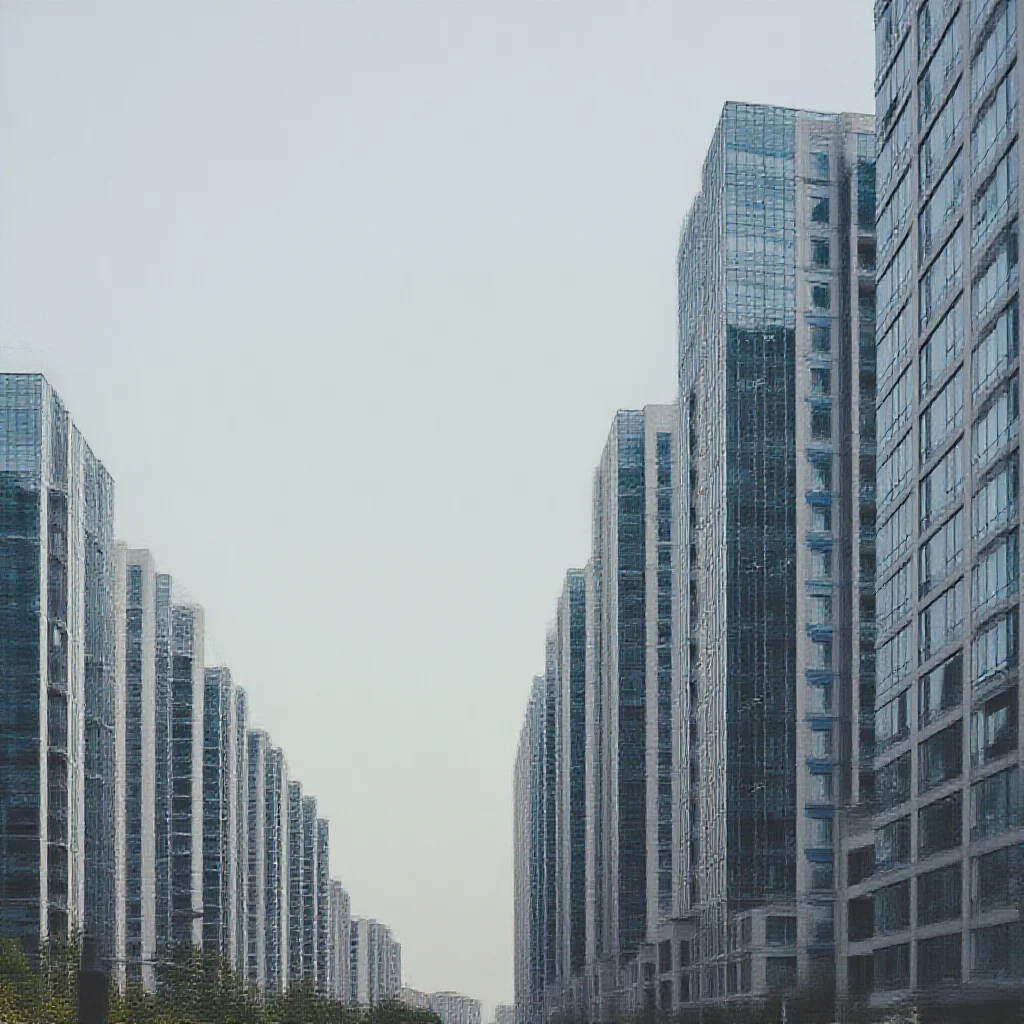
A specific sensory experience is now common across global metropolitan regions: the encounter with placelessness. The physical environment—characterized by repetitive glass-and-steel facades, standardized retail podiums, and interchangeable public plazas—offers few cues to geographical or cultural context. This aesthetic and experiential sameness is not a coincidental trend in architectural taste. It is the logical, physical output of specific management ideologies applied at scale to urban development and commercial real estate. The critique of suburban and urban blandness, notably framed decades ago in works like James Howard Kunstler's "The Geography of Nowhere," has evolved. The current phenomenon is driven less by naive planning and more by the deliberate, calculated application of efficiency-focused, data-driven corporate management principles to the built environment.
The Management Playbook: From Factory Floor to City Skyline
The homogenization of urban form can be traced to the migration of core operational management principles into real estate development and municipal planning. Methodologies such as Taylorism (scientific management) and Six Sigma (process optimization), along with a pervasive Key Performance Indicator (KPI) culture, have shifted from optimizing factory output and corporate workflows to shaping city skylines. In this model, design drivers are quantifiable metrics: return on investment (ROI) per square foot, construction cost per unit, energy efficiency ratings, tenant retention rates, and speed-to-market.The underlying economic logic is clear. Standardization reduces architectural and engineering costs, accelerates the approval process with familiar templates, and minimizes construction complexities. It creates predictable, bankable financial models that are easily communicated to institutional investors, pension funds, and real estate investment trusts (REITs) whose primary mandate is stable, low-risk yield. The building becomes a financial instrument first, and a place second. This logic extends to municipal planning departments, which often adopt similar efficiency metrics for processing permits and measuring economic growth, further incentivizing formulaic projects.

The Risk-Averse Algorithm: Why Distinctiveness is a 'Bug'
Within a strictly data-driven management framework, architectural distinctiveness and deep contextual integration are frequently categorized as financial and operational liabilities. Data optimizes for the known and the proven, creating a self-reinforcing feedback loop. A building template that has demonstrated success in one market—for example, the ubiquitous mixed-use model with retail podium, mid-rise parking structure, and residential tower—is replicated because its performance metrics are predictable. Innovation carries the risk of unquantifiable outcomes, complicating financing, insurance, and leasing.This risk calculus extends to tenanting and commercial branding. For global retail and service chains, operational consistency is a core brand promise and a management imperative. Landlords, seeking reliable credit tenants, preferentially lease to these standardized businesses. The result is a commercial ecosystem where local, idiosyncratic businesses are systematically filtered out in favor of national or global chains, further eroding the unique character of a development or district. In this algorithmic approval process, a unique design or a locally specific business model is not a feature; it is a potential bug that introduces variance into a system engineered for minimum variance.

Beyond Aesthetics: The Hidden Costs of Homogenization
The consequence of this trend extends beyond superficial criticism of aesthetic monotony. The primary systemic impact is the erosion of urban resilience and the depletion of cultural capital. Homogeneous environments function as monocultures. They lack the functional diversity of building types, economic activities, rental price points, and social spaces that characterize organically developed neighborhoods.This lack of diversity creates fragility. An economic shock that affects one standardized tenant type—for example, casual dining chains or co-working spaces—can cascade through an entire district of similar developments. Aesthetic monotony correlates with a reduction in what urban economists term "cultural capital," the intangible value derived from a place's unique identity, history, and character. This capital is a significant long-term driver of tourism, talent attraction, and civic pride. Its erosion, while not reflected on a quarterly balance sheet, represents a material depreciation of a city's non-financial assets. Furthermore, environments optimized solely for peak efficiency often fail under stress or fail to adapt to changing needs, as they lack the redundant systems and flexible spaces found in more varied urban fabric.
Conclusion: The Market Trajectory of the Generic City
Current market and investment signals indicate a continuation of this homogenization trend in the near to medium term. The dominance of large institutional capital in real estate development, coupled with the continued application of portfolio-wide asset management software and environmental, social, and governance (ESG) scoring that often prioritizes measurable energy efficiency over qualitative placemaking, will reinforce standardized approaches.However, logical deduction suggests the emergence of countervailing market pressures in the long term. As generic urban product becomes a commodity, its premium value may diminish. Early indicators show certain market segments—particularly in knowledge and creative industries—increasingly valuing authentic, distinctive locales for office location and talent retention. This may create economic niches for developers and investors willing to model and underwrite the value of uniqueness, potentially leveraging new data tools to quantify cultural capital and resilience. The future urban landscape will likely be defined by the tension between the scalable, risk-averse logic of the algorithmic city and the emerging economic recognition of diversity and identity as assets, not liabilities.
(All rights reserved by Global Beacon Chronicle. Unauthorized reproduction is prohibited.)
Liu Yan / Liu Yan
Business historian researching the intersection of tech and society.