Valeo Foods'' Balkan Gambit: Decoding the Prestige-96 Acquisition and the
The acquisition of Bulgaria''s Prestige-96 by Ireland''s Valeo Foods Group

Valeo Foods' Balkan Gambit: Decoding the Prestige-96 Acquisition and the Snack Industry's New Frontier
Introduction: A Strategic Bite into the Balkans
On May 30, 2024, Ireland’s Valeo Foods Group announced its acquisition of Bulgaria’s Prestige-96, a leading domestic snacks producer. This transaction extends beyond a simple corporate purchase of a brand portfolio. It represents a calculated strategic pivot, positioning the international food group for dominance in a growing economic zone. The core thesis of this move is not brand collection, but the strategic securing of regional production capacity and a consolidated market position in Southeast Europe.
The Players: Valeo's Portfolio Logic Meets a Local Champion
Valeo Foods Group is an international food group headquartered in Ireland, with a diversified portfolio of ambient food brands spanning categories such as sweet snacks, cooking ingredients, and beverages. Its holdings include prominent names like Jacob’s crackers, Rowse Honey, and Odlums flour.
Prestige-96 is a major player in the Bulgarian snacks market. Its portfolio is anchored by leading local brands, most notably the Chipsy potato chip line and the Billy brand of extruded snacks. A critical component of the transaction is the inclusion of Prestige-96’s production facility in Plovdiv, Bulgaria.
The initial analysis reveals a complementary strategic fit. Valeo gains instant scale in the Bulgarian market through established local brands and a modern manufacturing asset. Prestige-96, in turn, gains access to international capital, expertise in brand development, and potential routes to market beyond its domestic borders through Valeo’s distribution networks.
Beyond the Headline: The Hidden Economic Logic of the Deal
The unspoken driver of this acquisition is a "Factory-First" strategy. The Plovdiv production plant is arguably the deal’s core asset, providing Valeo with a manufacturing beachhead in Southeast Europe. This move is less about intellectual property and more about physical infrastructure and regional supply chain control.
The Balkan market dynamics support this logic. The region exhibits steady economic growth and rising consumer spending on packaged foods, including savory snacks. The market remains relatively fragmented compared to Western Europe, presenting a clear opportunity for consolidation led by a well-capitalized international player. (Source 1: Industry reports on Balkan FDI trends).
This acquisition enables a significant reconfiguration of Valeo’s supply chain for the region. Localized production in Plovdiv shortens supply lines for distribution within the Balkans and potentially into adjacent markets. This mitigates broader geopolitical and logistical risks associated with long-distance transportation, such as fuel cost volatility and border delays, while potentially improving product freshness.
Industry Deep Dive: Snack Sector Consolidation and the Race for Assets
The Valeo-Prestige-96 deal is not an isolated event but part of a sustained trend of consolidation within the European savory snacks and ambient food sector. This pattern reflects a strategic shift from pure brand acquisition to the procurement of integrated business "platforms."
Acquiring a company like Prestige-96 serves as a platform for future Valeo expansion. The Plovdiv facility can act as a hub for producing not only the existing Chipsy and Billy lines but also for potentially manufacturing other products from Valeo’s broader portfolio for regional consumption. This creates operational leverage and economies of scale.
Furthermore, this trend signals a broader industry race for tangible assets in emerging European economies. Investors and large food groups are increasingly valuing regional manufacturing footprints as critical strategic assets, sometimes over brand equity alone. This shift is driven by the need for supply chain resilience, cost optimization in production, and the ability to rapidly respond to local market tastes.
Conclusion: Implications and the New Frontier of Food M&A
The acquisition of Prestige-96 by Valeo Foods Group establishes a new operational and commercial axis for the Irish group in Southeast Europe. The immediate implications include intensified competition within the Bulgarian and regional snacks market, potential investment in the Plovdiv facility, and the possible introduction of Valeo’s other brands to the region through established local distribution channels.
Neutral market analysis suggests this transaction will likely accelerate consolidation pressure on other mid-sized snack producers in the Balkans. It also sets a precedent for future food and beverage M&A in emerging Europe, where deals will be evaluated not just on brand strength but equally on the quality of production assets, distribution networks, and local market access they provide. The new frontier in food industry expansion is defined by securing regional production fortresses, and Valeo’s Balkan gambit is a definitive move in that strategic direction.
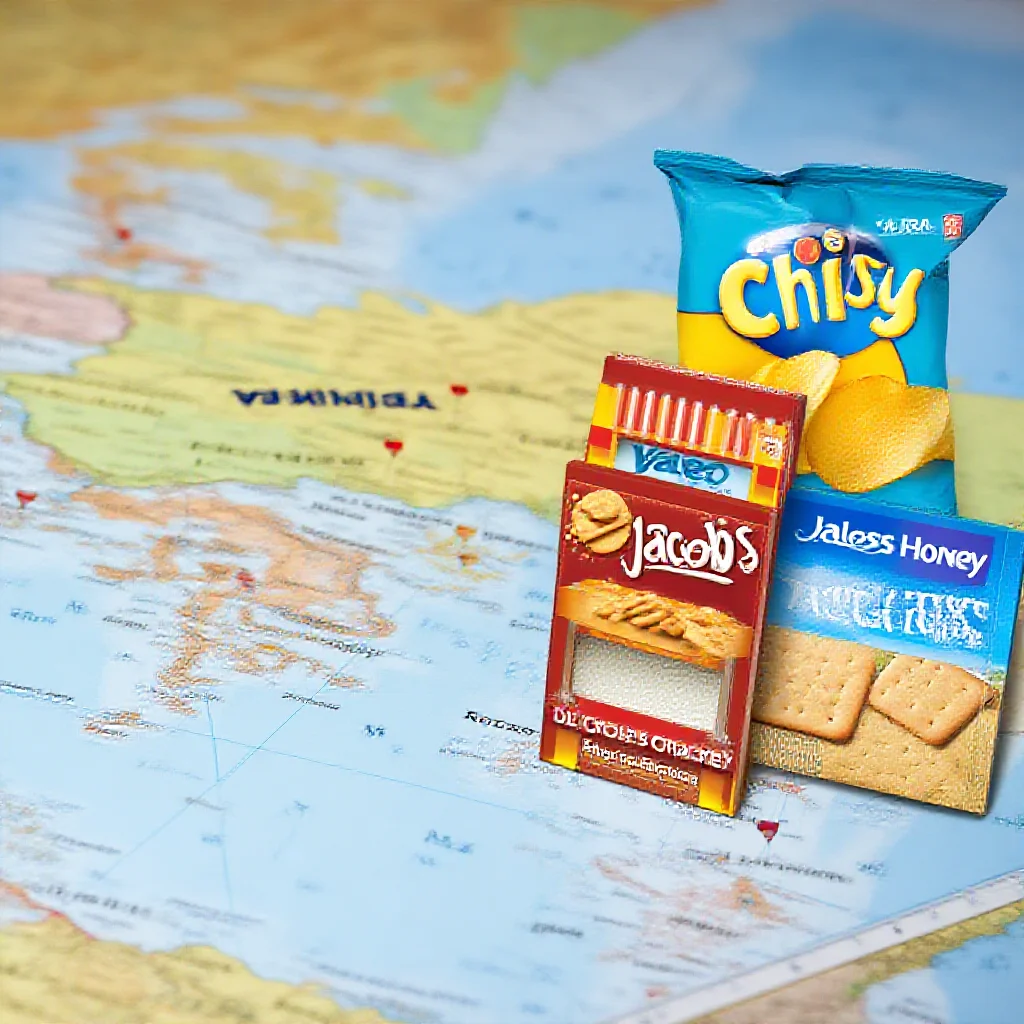
Cover Image Prompt: A dynamic, professional photograph from a slightly elevated angle, looking down on a map of Southeastern Europe with a crisp bag of Chipsy chips positioned over Bulgaria. In the foreground, leaning against the map, are packaging examples from Valeo's portfolio like Jacob's crackers and Rowse Honey. The lighting is bright and corporate, with a shallow depth of field focusing on the Chipsy bag and the map location.
(All rights reserved by Global Beacon Chronicle. Unauthorized reproduction is prohibited.)
Wang Jing / Wang Jing
Capital markets analyst and CFA charterholder.